Handicap Ramp Installation in Kansas City, KS
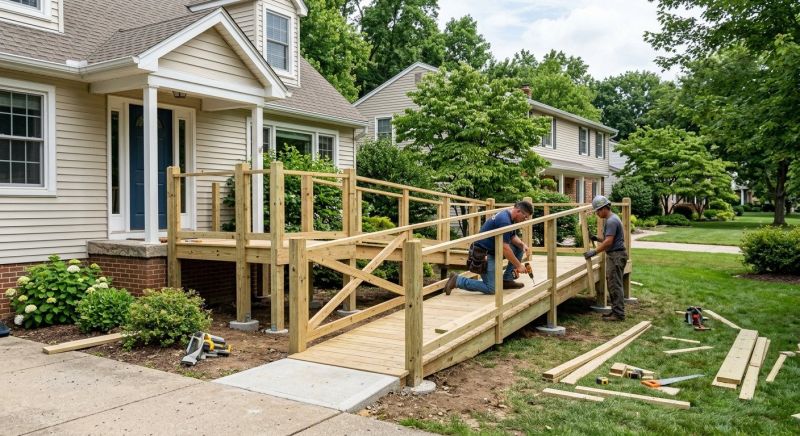
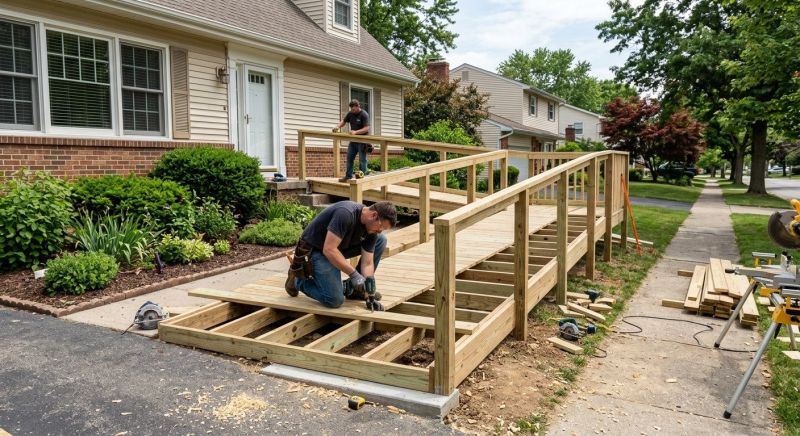
Handicap ramp installation services provide accessible solutions for homeowners looking to improve entry points around their property. These ramps are designed to accommodate wheelchairs, walkers, and other mobility devices, making it easier for residents and visitors with mobility challenges to access homes, garages, porches, or outdoor areas. Projects can range from small, single-step entries to larger, multi-level ramps that require careful planning to ensure safety, stability, and compliance with accessibility standards. Property owners often want to understand the different types of ramps available, the materials used, and how the installation process will impact their existing property.
Before requesting handicap ramp installation, property owners typically consider factors such as the location and dimensions of the entryway, the slope or incline needed for safe use, and any local building codes or regulations that may apply. It’s also helpful to think about the overall aesthetic and whether the ramp can blend seamlessly with the property’s exterior. Understanding these details can assist in selecting the most suitable ramp design and ensure the installation meets both practical needs and safety requirements.
Many property owners in Kansas City, KS look into Handicap Ramp Installation for repairs, replacements, upgrades, and appearance-related improvements.
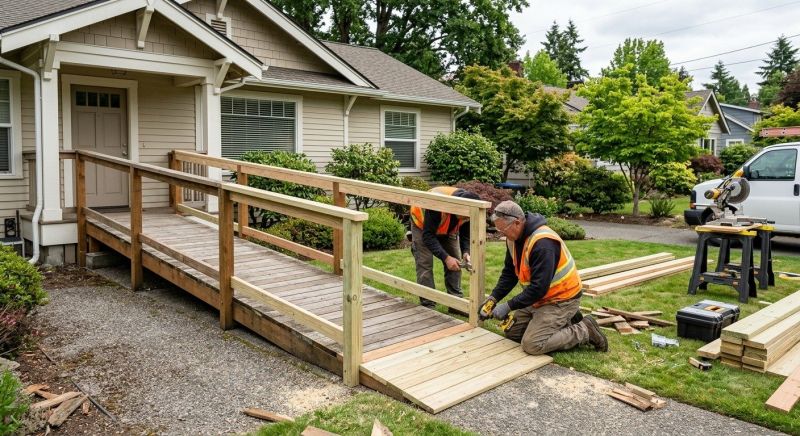
Accessibility Enhancements
Handicap ramps improve ease of access for mobility devices and reduce entry obstacles.
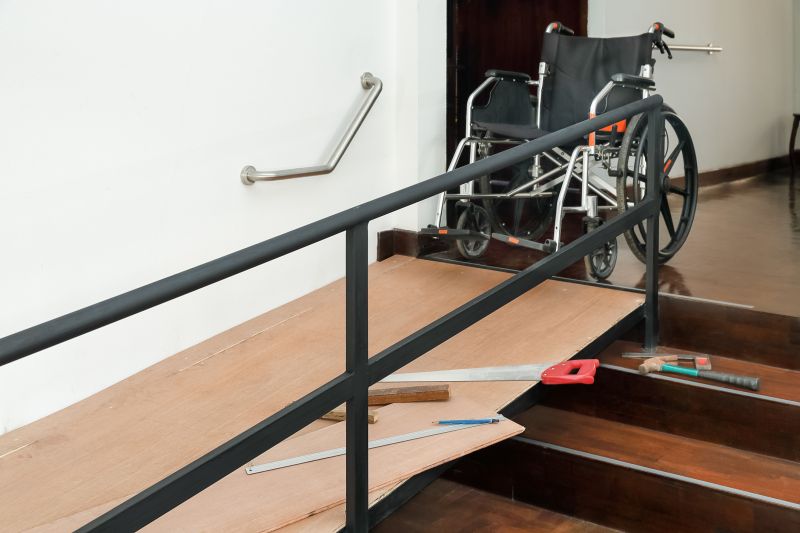
Custom Ramp Solutions
Different types of ramps can be designed to suit various property layouts and user needs.
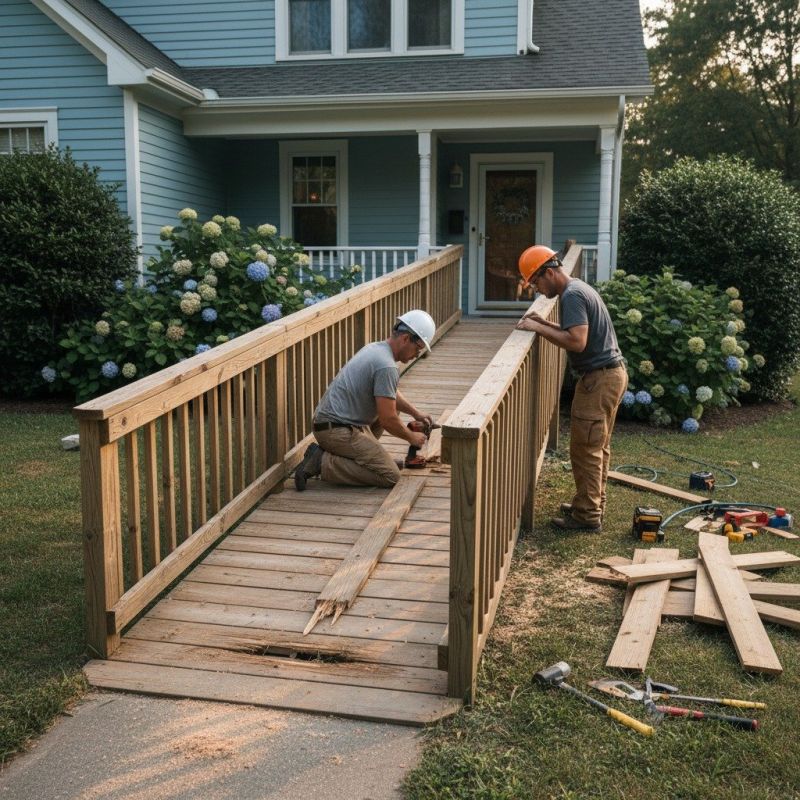
Safety And Compliance
Properly installed ramps meet safety standards and ensure secure, stable access points for all users.
Handicap Ramp Installation in Kansas City, KS
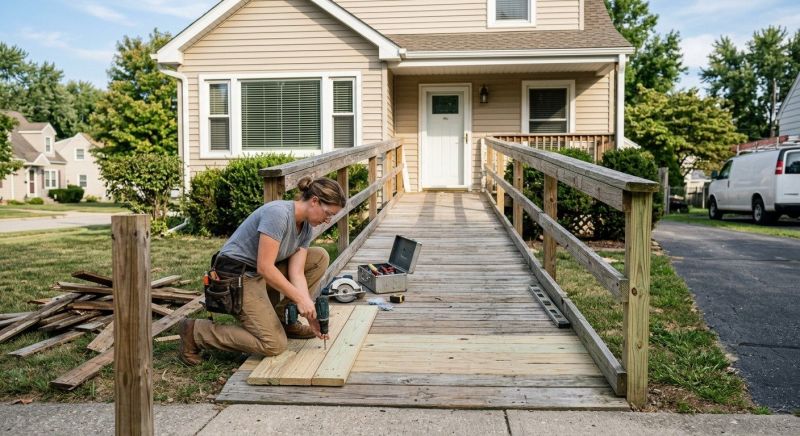
Handicap ramp installation services provide accessible solutions for homeowners looking to improve entry points around their property. These ramps are designed to accommodate wheelchairs, walkers, and other mobility devices, making it easier for residents and visitors with mobility challenges to access homes, garages, porches, or outdoor areas. Projects can range from small, single-step entries to larger, multi-level ramps that require careful planning to ensure safety, stability, and compliance with accessibility standards. Property owners often want to understand the different types of ramps available, the materials used, and how the installation process will impact their existing property.
Before requesting handicap ramp installation, property owners typically consider factors such as the location and dimensions of the entryway, the slope or incline needed for safe use, and any local building codes or regulations that may apply. It’s also helpful to think about the overall aesthetic and whether the ramp can blend seamlessly with the property’s exterior. Understanding these details can assist in selecting the most suitable ramp design and ensure the installation meets both practical needs and safety requirements.
Many property owners in Kansas City, KS look into Handicap Ramp Installation for repairs, replacements, upgrades, and appearance-related improvements.
Common Handicap Ramp Installation Jobs
Handicap Ramp Installation - provides accessible entry solutions for homes and businesses.
Residential ramps - improve mobility for homeowners and visitors with limited mobility.
Commercial ramps - ensure ADA compliance and safe access for customers and employees.
Portable ramps - offer temporary accessibility options for events or short-term needs.
Custom ramp design - accommodates unique property layouts and specific accessibility requirements.
Threshold ramps - provide smooth transitions over door thresholds and small steps.
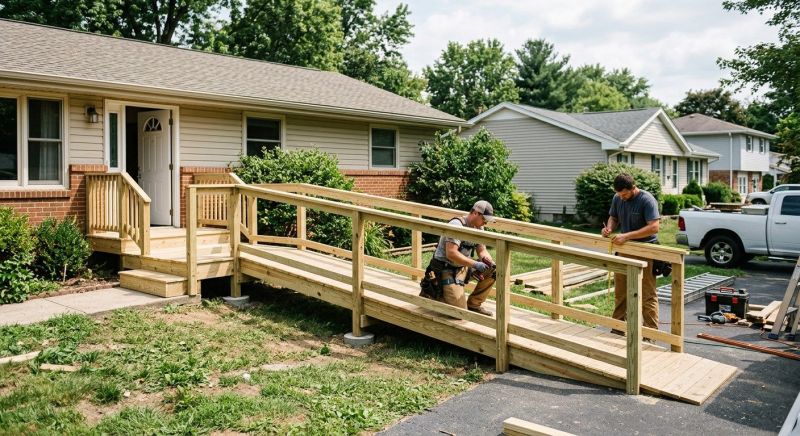
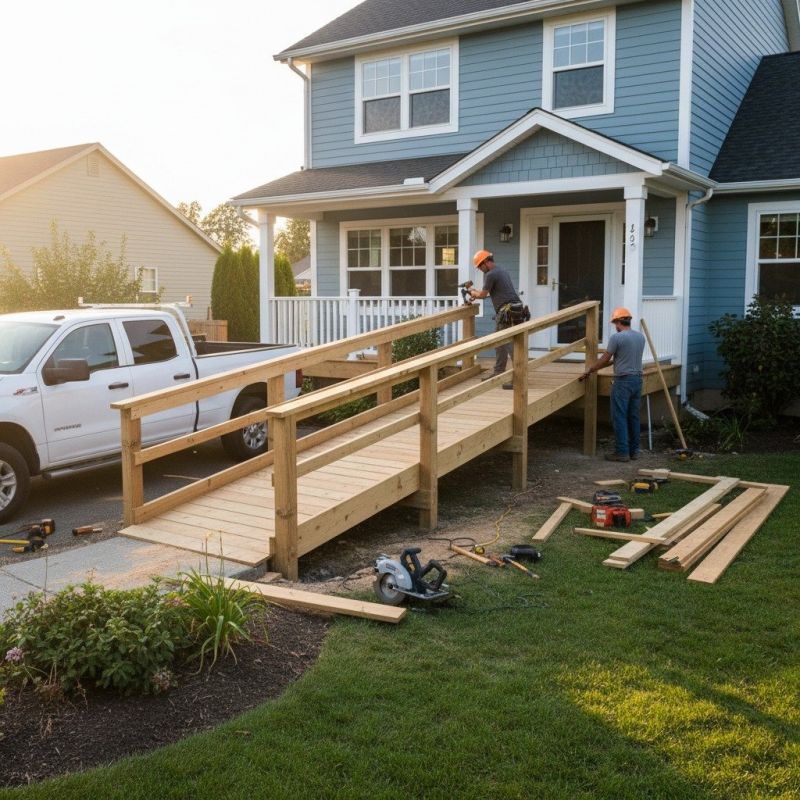
Handicap Ramp Installation Questions
What types of handicap ramps are available? There are various options including modular, portable, and custom-built ramps to suit different property needs.
How do I determine the right ramp for my property? Consider the height of the entryway, space available, and specific mobility requirements to select an appropriate ramp type.
Are there any building codes or regulations to follow? Yes, local building codes specify standards for ramp slope, width, and safety features to ensure accessibility and compliance.
What materials are commonly used for handicap ramps? Common materials include aluminum, wood, and steel, chosen for durability, safety, and suitability to the environment.
Request Handicap Ramp Installation in Kansas City, KS
Use the quote form on this page to share the basics of your project and request more information for the type of work you need.